
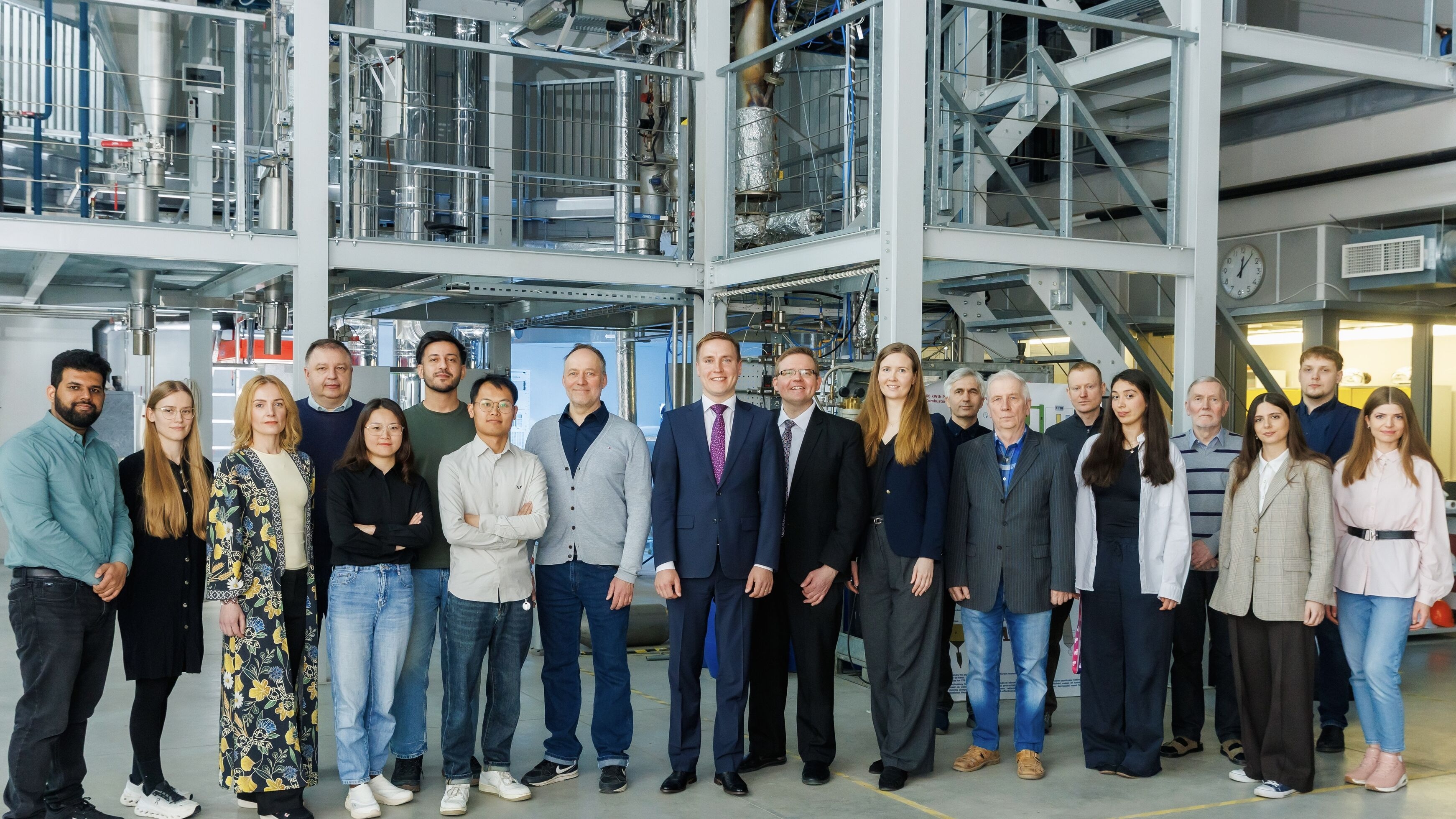
Research Group of Sustainable Energy and Fuels
Head of the research group: Tenured Full Professor Alar Konist PhD
Members: Tõnu Pihu PhD, Dmitri Nešumajev PhD, Alejandro Lyons Ceron PhD, Mais Baqain PhD, Janek Reinik PhD, Mari-Liis Ummik PhD, Prof. Abhishek Agarwal PhD
PhD students: Dan Yang, Liisa-Maria Kaljusmaa, Fanfan Xu, Mari Sinisalu, Hannela Artus
Keywords – fuels, combustion, pyrolysis, gasification, ash, activation energies, CO2 emissions, CCS and CCU (inc. Oxyfuel)
Overview
The research group of Sustainable Energy and Fuels conducts research in many different areas, including:
- Chemical, environmental and thermal engineering;
- Oil shale technologies (fluidized bed boilers in the oil shale industry);
- Boilers, wind energy, bioenergy, energy management;
- Thermochemical conversion of fuels;
- Carbon capture and reuse (CCU-CCS);
- Ash, activation energy, CO2 emissions;
- Co-combustion of oil shale and biomass in a more oxygen-rich environment in circulating fluidized bed boilers (CFB);
- Use of Ca-rich ash as a bed material for CO2 (as well as SOx and NOx) binding in biomass fluidized bed combustion;
- Laboratory to semi-industrial scale tests of combustion process parameters;
- Fly ash characterisation.
Moving toward zero carbon emissions is an ultimate goal for energy technology. The group intends to tackle the problem by studying the possibilities of oxy-fuel co-combustion of oil shale (OS) and biomass in circulating fluidized bed (CFB) boiler. Further, utilization of the remaining Ca-rich ash as a bed material for binding CO₂ (also SOx and NOx) in fluidized bed combustion of biomass for achieving negative carbon emissions in biomass combustion will be studied. Lab-scale up to semi- industrial scale experiments will be carried out to investigate the combustion process parameters to achieve this.
Also, the group deals with better characterization of the fly ash, in order to enable more effective use of the ash that is formed under oxyfuel combustion conditions. The "organic and in-organic" (carbon) portion of the ash is the key to success in many new utilization schemes.
A broad-based scientific investigation of the form, sorptive properties and behaviour of the in/organic material in ash samples is carried out in order to help identify new commercial opportunities.
Results: Based on the results of the research group, oil shale ashes are considered as non-hazardous waste materials since 01.01.2020.
Effects of activation conditions on preparation of porous carbon from oil shale (2019-2022)
PSG266, Research project funded by a personal research grant
The project mainly investigated specific surface area, porosity and their formation, as these are the most important parameters that determine the areas of application and efficiency of the resulting material.
Climate change mitigation with CCS and CCU technologies (2019 – 2021)
RITA1/02-20, Estonian Research Council
Estonia has one of the highest per capita greenhouse gas (GHG) emission rates and carbon-intensity levels in the EU. To decrease GHG emissions sharply best options for implementing carbon capture and utilization (CCU) technologies must be identified. The main goal of the project is to assess the suitability of various CCU technologies and develop scenarios for adopting these in the Estonian oil shale industry. Also, environmental effects of the most promising solutions are studied along with the technological and economic capacities for utilizing captured CO2 in other industries. Economic analysis focuses on differences in per unit costs of alternative capturing technologies, their sensitivity to CO2 quota and electricity prices and investment subsidising needs as well as export markets for Estonian captured CO2. The project results in a multifaceted overview of the feasibility of investing in carbon capture infrastructure to help to minimize GHG from the oil shale industry in Estonia.
More information about the project - ETIS
Fundamental Research studies on thermochemical conversion of local biomass in Utilitas Tallinn powerplant (2017 – 2020)
LEP17084, Utilitas Tallinna Elektrijaam OÜ
Project is aimed to the applied research of the problems related to biomass thermochemical conversion - reliability, environment protection, efficiency and safety.
More information about the project - ETIS
Fundamental Research studies on Oil Shale Technologies at Enefit Energiatootmise AS (2019)
LEP19011, Enefit Outotec Technology
Project is aimed to the applied research of the problems related to reliability, environment protection, efficiency and safety of oil shale power plants.
More information about the project - ETIS
Potential hazardousness of Estonian oil shale ashes (2018 – 2019)
LMIN18074, Ministry of Environment
The objective is to assess the hazardous properties of oil shale ash in Estonia and to ascertain whether oil shale ash should be classified as hazardous waste due to its hazardous properties.
More information about the project - ETIS
The research group has an accredited research laboratory at its disposal, which allows to issue certified analysis results for samples of various characteristics provided by different clients. The laboratory is also accredited in the field of determining air emissions from stationary pollution sources.
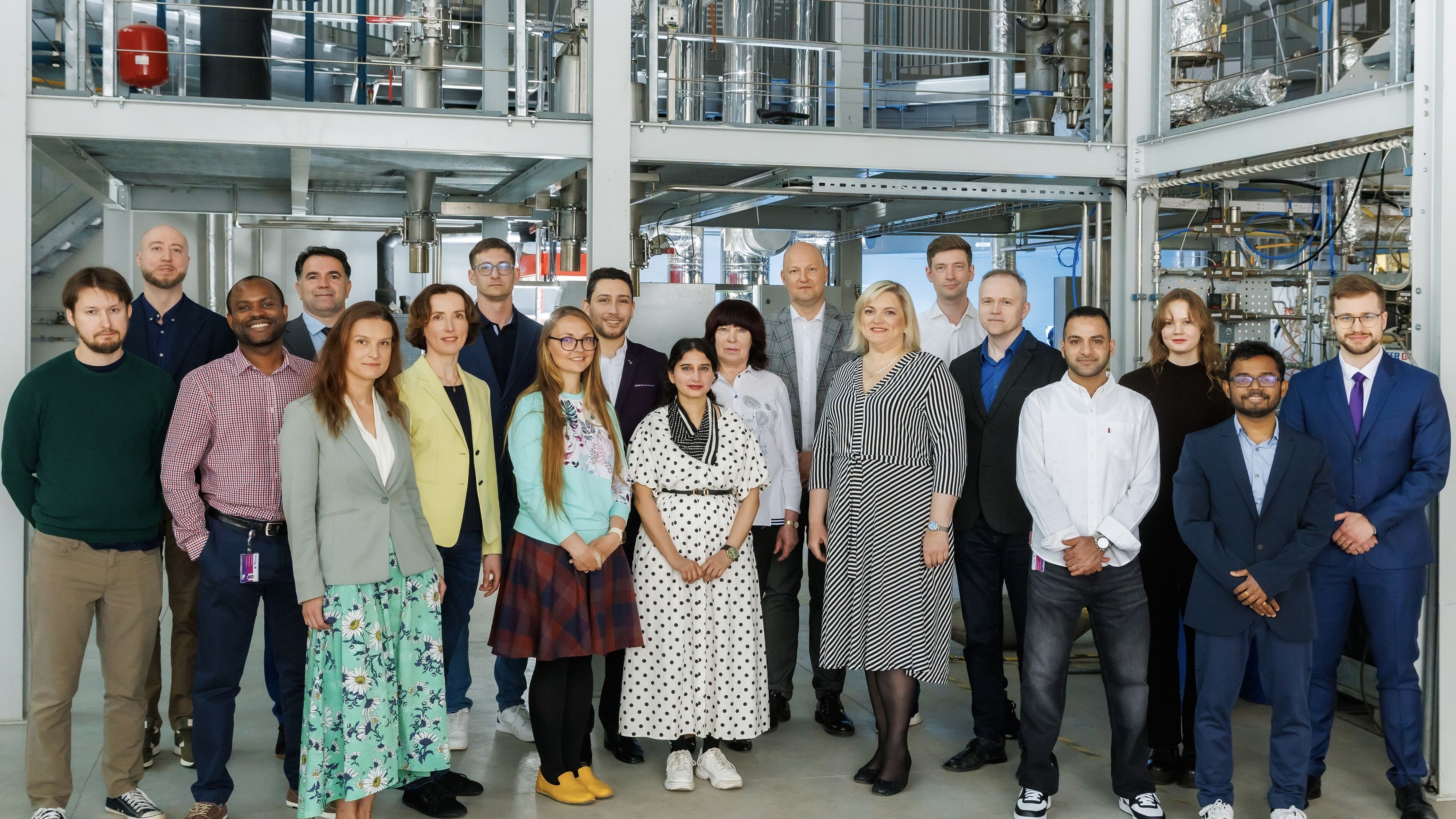
Research Group of Smart District Heating Systems and Integrated Assessment Analysis of Greenhouse Gases Emissions
Head of research group: Tenured Full Professor Anna Volkova, PhD
Academic staff: Andrei Dedov PhD, Eduard Latõšov PhD, Igor Krupenski PhD, Sreenath Sukumaran PhD, Kertu Lepiksaar PhD, Sylvester Ikenna Ofili PhD, Hossein Alimohammadi PhD, Maryam Khaliq PhD
PhD students: Hesham Ali, Janika Laht, Janita Andrijevskaja, Mohd Basit Wani, Siim Erik Pugal, Katre Keridan
Non-academic staff: Inge Roos PhD, Birgit-Lume Paju, Kristian Kirs, Andrei Ingelberg
Overview
The research group of Smart District Heating Systems and Integrated Assessment Analysis of Greenhouse Gases Emissions conducts research, which is related to the following areas:
- District heating: low temperature district heating, piping, heat pumps, peak load, cascades, planning, parallel consumption;
- District cooling: waste heat, planning, with district heating;
- Energy efficiency in district heating, also at the company and sector level;
- Energy storage: with electric boiler and CHP, cold thermal energy storage;
- Carbon neutrality in TalTech campus, cities, industry, district heating and Estonia.
Group deals with developing new technical solutions for the transition of district heating (DH) systems towards an intelligent, highly efficient and regenerative energy supply concept and with integrated assessment analysis of greenhouse gases emissions. The main research topics are related to transition and improvement measures for existing and technical solutions for planned district heating systems.
Group recent research activities are connected with the analysis of:
- Existing large-scale DH system transition towards 4th generation DH
- Thermal energy storage coupling with biomass CHP
- Low temperature DH networks
- Large heat pumps integration into DH systems
- Power plant operation strategy integrating accumulator tank
- Development plans for DH regions
- GIS based optimisation of district heating networks
- Sustainable district heating promotion mobile app NutiSoojus
- Parallel consumption impact on district heating
- Optimisation of district heating networks
- Calculation of primary energy factors for district heating and cooling
- Planning of district heating regions
- Return temperature reduction impact on high temperature district heating system
- Low temperature district heating network's (LTDHN) heat supply option from the return line of a well-established high temperature district heating system
Towards energy transition and climate neutrality in the BSR municipalities (2023-2025)
Interreg, European Commission
In the project CommitClimate, cities develop, test and deploy a computer-based simulation model to create sustainable energy and climate action plans to reduce carbon footprint.
More information about CommitClimate - ETIS
More information about CommitClimate - Interreg
Site Assessment and Sustainability Evaluation of photovoltaic-based district heating & cooling systems (2022-2024)
Estonian Research Council
With the increasing energy demand and adverse climate changes, decarbonising has become the need of the hour. Tapping of renewable heat and power is gaining attention. A relatively new route is solar photovoltaic technology integrated heating and cooling system. The main objective of this research project is to develop a methodological framework for the site suitability assessment and sustainability evaluation of photovoltaic-based district heating & cooling (PVDHC) systems. The developed methodology is applied as a case study in the context of Estonia. The entire framework is implemented using Geographic information system (GIS) tools and python programming. The expected outcome includes a site assessment tool to identify the suitable locations for PVDHC systems and a planning tool to rank a list of alternate sites based on sustainability index. It is anticipated that this project will be helpful to energy professionals, policymakers, and research scholars worldwide.
More information about PV-DHC project - ETIS
A comprehensive toolbox for integrating low-temperature sub-networks in existing district heating networks (2020 – 2022)
International Energy Agency
The main objective of the project is to develop generalizable solutions for the implementation and large-scale replication of energy cascading through sub-LTDHNs and disseminate the findings to national district heating associations and DH suppliers.
More infotmation about CASCADE project - ETIS
Techno-economic performance and feasibility study of the 5GDHC technology using agent based modelling and GIS (2020 – 2022)
Nordic Energy Research
In the frame of this project, a simulation platform will be developed using agent-based modelling and GIS to evaluate the technical and economic performance of the 5GDHC technology and study possible applications of the 5GDHC in the Baltic and Nordic regions.
More information about 5GDHC project - ETIS
Heat pump potential in the Baltic States (2020 − 2021)
Nordic Energy Research
The focus area for the project is to examine heat pump potential and socio-economic costs in the Baltic States. Key tasks will be to assess the potential of high temperature heat sources for large heat pumps and electric boilers, the potential for and cost-efficiency of large sea water heat pumps, potential for heat pumps in the end-use sectors, as well as potential and socio-economic costs of individual heat pumps.
On the roof of the U06 academic building, a weather station created by the research group measures various parameters:
- wind speed and direction;
- air temperature, humidity and pressure, and precipitation;
- solar radiation (GHI, DHI, DNI).
Measurement data is available to TalTech students and employees on the Meteo page.
The solar lab created by the research group is also located in the U06 academic building and is available for use in teaching and research.
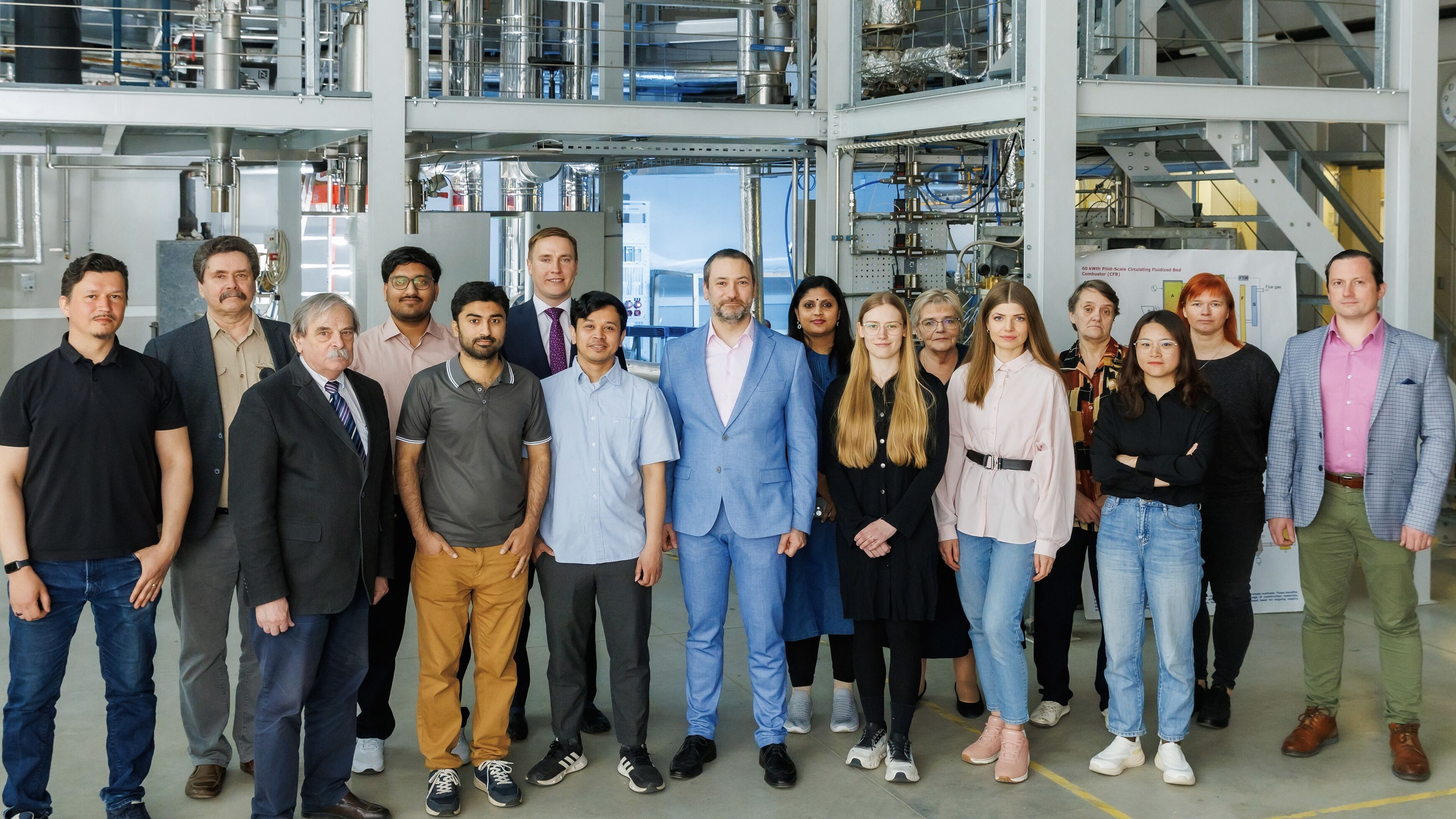
Research Group of Environmental, Energy and Chemical Technology
Head of the research group: Tenured Associate Professor Oliver Järvik, PhD
Members: Mihkel Koel PhD, Inna Kamenev PhD, Kristen Altof, Jelena Veressinina, Iqbaal Abdurrokhman PhD, Sunitha Allombadam Prabhakaran PhD
PhD students: Kati Roosalu, Laura Kiolein, Nouman Rafique, Pawan Chhipa
The research group operates in the following areas:
- High and low temperatuure thermal energy storage;
- Applications of ionic liquids and deep eutectic mixtures;
- Water;
- Thermochemistry;
- CO2, including CO2 capture and utilisation;
- H2 production and storage;
- Oil shale.
The research group studies thermochemical conversion processes of oil shale, biomass and other carbon-based materials, focusing on pyrolysis, gasification and combustion. The research work includes analysis of the composition and properties of the products of these processes, possibilities of combined use of biomass and oil shale in thermal processes, characterisation of ashes and by-products, and solutions for CO2 capture. An important part of the research work is the application of thermal analysis methods, including thermogravimetric analysis and calorimetry, in the study of the properties of materials and substances.
In addition, the group is engaged in research on ionic liquids and deep eutectic mixtures, primarily in the field of energy storage, and develops machine learning-based approaches for evaluating the properties of substances, especially ionic liquids, by linking them to experimental measurements.
In recent years, the topic of green hydrogen production and research into hydrogen storage options have also been added.
The research group's goal is to create resource-efficient and less environmentally-impactful solutions at the intersection of chemical, energy, and environmental technology.
Find more cost-effective solutions to use CO2 captured from Enefit-280 plants as a raw material (2022)
Eesti Energia AS
Project goal is to find more cost-effective solutions to use CO2 captured from Enefit-280 plants as a raw material
Phase I and II studies of measures to reduce chromium from excess water in the ash field of the Baltic Power Plant (2022)
Enefit Power OÜ
Investigations of stages I and II of measures to reduce chromium from excess water in the ash field of the Baltic power plant to find the optimal chromium removal system solution.
Study on production of oil from plastic waste and organic waste (2022)
Viru Keemia Grupp AS
Solutions for reducing the Cr content of ash transport water discharged into the environment of the Baltic power plant (2021-2022)
Enefit Power OÜ
Fundamental and applied research of the problems related to reliability, environment protection, efficiency and safety of oil shale power plants and firing equipment.
The research group's most important collaboration partners are:
- Falah Alobaid - Industrial Energy Systems, School of Energy Systems, Lappeenranta-Lahti University of Technology
- Dinis O. Abranches - CICECO-Aveiro Institute of Materials, Department of Chemistry, University of Aveiro
- Kalil Bernardino - Departamento de Química, Universidade Federal de São Carlos
- Indrek Reile – Keemilise ja Bioloogilise Füüsika Instituut (National Institute of Chemical Physics and Biophysics)